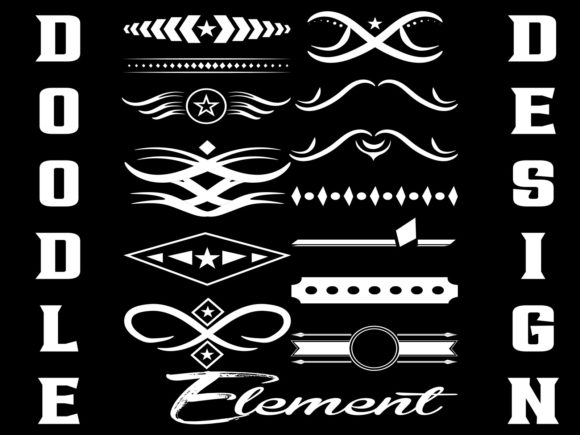
The Power of the Doodle Design Element
In a world saturated with polished, vector-perfect graphics, the humble doodle design element emerges as a breath of creative air, injecting personality and approachability into visual communication.
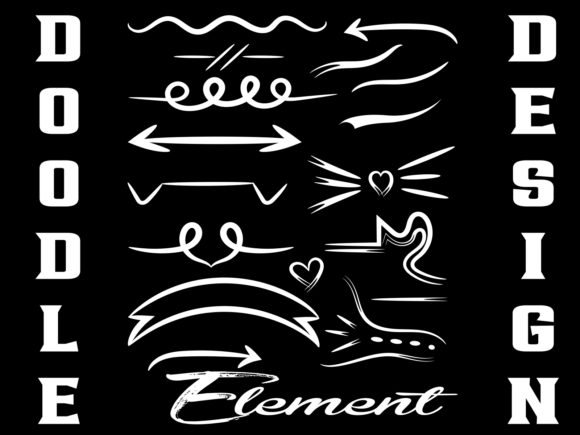
The doodle design element—that imperfect, freehand sketch, playful swirl, or whimsical scribble—has evolved from a mere stylistic choice to a powerful tool for brands and creators aiming to connect authentically with their audience. It represents a deliberate step away from cold precision, fostering a sense of handcrafted care and human touch that resonates deeply in both digital and physical spaces.
Why Doodles Captivate in Modern Design
From enhancing brand identity to boosting user engagement on social media, doodle elements serve multiple strategic roles. Their inherent informality can make complex information feel more accessible, soften corporate messaging, and create memorable visual anchors. In UI and web design, a well-placed doodle can guide the eye, break up dense text, and improve the overall user experience by adding a layer of visual interest and warmth.
Unlocking Creative Applications
The versatility of doodle assets is staggering. When integrated thoughtfully into a cohesive visual design system, they can transform projects across mediums:
- Branding & Logo Design: Incorporating doodles into logos or brand marks can instantly signal creativity, innovation, and a friendly, artisan ethos.
- Marketing Materials: Flyers, brochures, and email campaigns gain a standout, hand-drawn character that cuts through generic clutter.
- Social Media Graphics: Doodles create relatable, scroll-stopping content that feels personal and engages communities.
- Editorial & Web Design: Used as icons, borders, or background textures, they establish a unique visual hierarchy and modern aesthetics.
- Product & Merchandise: This is where doodle design elements truly shine. Applying them to T-shirts, mugs, pillows, or packaging turns everyday items into expressive pieces of wearable or usable art, perfect for sublimation, vinyl decals, or engraving.
Selecting & Using Doodle Elements Effectively
Success hinges on intentionality. To leverage doodle assets without compromising professional presentation, consider these key factors in your design workflow:
Consistency & Style Alignment: Ensure the doodle’s aesthetic—whether sketchy, grunge, or cartoonish—aligns with your existing color palette, typography, and overall brand identity. A cohesive look is paramount.
Scalability & Format: Quality digital files are crucial. Seek assets provided in versatile formats like editable vector files (EPS, SVG) for unlimited color changes and high-resolution PNGs (4500×5400 at 300 dpi) for crisp printing on everything from clothes to scrapbooking projects. This ensures your designs remain sharp across applications.
Composition & Hierarchy: Use doodles to support, not overwhelm, your core message. They should enhance readability and focus, acting as complementary graphic elements rather than the main focal point unless deliberately intended.
Ultimately, integrating a doodle design element into your creative projects is about embracing a balance between artful spontaneity and strategic design. It’s a choice that prioritizes emotional connection and visual impact, proving that in graphic design, sometimes the most powerful statement is made with a simple, purposeful scribble.