The Essential Guide to Sensitive Data Brochure Templates: Communicating Security with Design
In our increasingly digital world, the protection of personal and confidential information is paramount. Organizations across all sectors—from finance and healthcare to education and government—are tasked with explaining complex data security policies to their clients, employees, and stakeholders. This communication must not only be clear and authoritative but also visually engaging to ensure the message is received and understood. This is where the specialized realm of sensitive data types brochure templates becomes critical. These design tools are more than just layouts; they are structured visual frameworks built to communicate trust, security, and procedural clarity.
What Are Sensitive Data Brochure Templates?
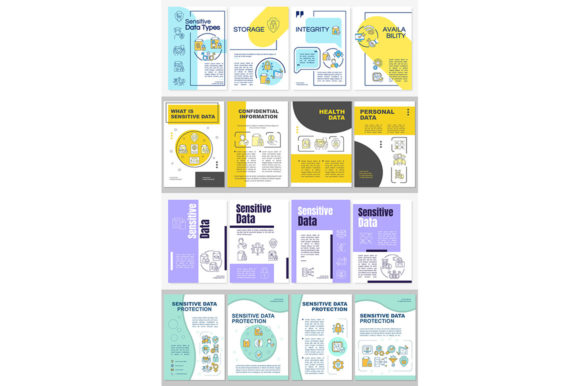
A sensitive data types brochure template set is a professionally designed collection of graphic assets and layout files specifically created for producing printed and digital materials about data security, identity protection, privacy policies, and compliance information. Unlike generic brochure designs, these templates incorporate visual cues and structural elements that inherently suggest security, order, and reliability. Think of them as a pre-built design language for a very specific conversational topic: safeguarding what is valuable and private.
The core purpose is twofold: to expedite the production of professional materials and to ensure the design itself reinforces the message of security. By using a dedicated template, a business or institution doesn't have to start from a blank page, risking a design that might feel casual or insecure. Instead, they start with a foundation that uses appropriate typography, iconography, and layout philosophy tailored to the subject matter.
The Key Components of a Professional Template Set
When you acquire a high-quality template set, like those described featuring fonts such as Arial, Myriad Pro-Regular, Questrial-Regular, Lato-Regular, and Anton-Regular, you're gaining a comprehensive toolkit. Let's break down the typical inclusions:
- Vector Layouts (EPS, SVG, AI): These are the core, editable design files. Vector formats mean the designs are scalable to any size without loss of quality, perfect for both a small booklet and a large presentation poster. They allow complete customization of colors, text, and elements.
- Raster Outputs (PNG, JPEG): These are ready-to-use, high-resolution image files for scenarios where quick placement into a document or web page is needed, without the need for specialized design software.
- Linear Icons: A suite of simple, clean line-based icons representing concepts like encryption, secure login, data locks, firewalls, and user identity. Linear icons convey modernity and precision, fitting perfectly with the technical yet approachable tone needed.
- Typography Framework: The specified fonts are carefully chosen. Fonts like Lato and Questrial offer excellent readability for body text explaining policies, while Anton-Regular might be used for powerful, short headlines to grab attention. This typographic hierarchy guides the reader's eye and establishes visual authority.
- Booklet Print Design: The template is often structured for multi-page, folded booklet printing—a common format for policy handbooks, compliance guides, and security awareness materials distributed physically.
The Significance and Practical Relevance
Why does using a purpose-built template matter so much for this topic? The communication of sensitive data protocols isn't merely an administrative task; it's a fundamental part of building trust and ensuring operational compliance. A poorly designed, cluttered, or visually unprofessional brochure can inadvertently undermine the seriousness of the message. A well-designed one does the opposite.
In Modern Business & Work: For any company handling customer data, employee information, or trade secrets, distributing clear security guidelines is often a legal and ethical requirement. Using a template ensures every department—from HR to IT—can produce consistent, on-brand materials without requiring constant designer intervention. It streamlines internal processes and projects a unified, competent face to the world.
In Education & Public Awareness: Universities, schools, and public institutions use these materials to educate students and citizens about digital privacy, safe online practices, and the protection of personal records. An engaging, clear booklet design increases the likelihood that the important information will be read and retained, moving beyond a dry, text-only PDF that many might ignore.
In Technology & Creativity: Even for tech firms and creative studios like BSD Studio, which create these assets, the templates themselves represent a fusion of technical understanding and design creativity. They translate abstract concepts of "secure identity" and "data types" into concrete visual forms, acting as a bridge between complex tech and human understanding.
Clarifying Common Misunderstandions
A common assumption is that these templates are only for "tech companies." This isn't the case. Any entity that handles personal identity information, financial details, health records, or confidential communications needs to communicate its policies. A local clinic, a community bank, a nonprofit's volunteer department—all are potential users. Another misunderstanding is that using a template limits creativity. In reality, a good template provides a strong, appropriate foundation that you can extensively customize; it removes the burden of building the underlying visual language from scratch, freeing you to focus on tailoring the content itself.
Building a Broader Understanding: From Template to Complete Communication System
Viewing a sensitive data brochure template not as a single product but as part of a larger design ecosystem is key. Studios that produce these templates, such as those offering icons, brochure infographic templates, and mobile app screen pages, are providing a holistic visual toolkit for professional communication. This allows an organization to maintain a consistent design theme across multiple touchpoints:
- The Printed Booklet: A tangible, distributed guide for in-depth reading.
- Presentation Slides (Vector Layouts): Using the same assets for a boardroom or stakeholder presentation.
- Annual Report Sections: Incorporating the design style into a larger report's data security chapter.
- Digital Ads & Web Graphics: Leveraging the icons and color schemes for online campaigns promoting security features or privacy commitments.
- Internal Wiki or App Screens: Applying the visual logic to internal software pages where employees manage sensitive data.
This consistency reinforces brand recognition and message credibility. When a customer sees the same clean, secure visual style on a brochure, a website banner, and an app icon, it builds a cohesive and trustworthy impression.
How to Implement and Stay Updated
For general readers or professionals looking to utilize such resources, the process is straightforward. First, identify a reputable source for professional design templates, focusing on those that offer the versatile file formats (EPS, SVG, AI, PNG) needed for your intended uses. Evaluate the design style to ensure it aligns with your organization's existing brand and the serious nature of the content.
Upon acquiring a template set, the implementation involves:
- Customizing the text with your specific policies and explanations.
- Adjusting color schemes to match your corporate palette, if necessary.
- Placing your own logos and contact information.
- Using the provided linear icons to create intuitive infographics that break down complex processes.
- Preparing the final files for print (for booklet designs) or digital export.
Furthermore, as the field of data security and design trends evolve, staying updated is beneficial. This is why subscribing to studios like BSD Studio, which announce new topics and discounts every week, is a smart practice. It ensures access to fresh template variations covering emerging topics (like new compliance regulations or cybersecurity threats) and updated design aesthetics, keeping your communication materials current and effective.
Conclusion: Design as a Partner in Security
Ultimately, a sensitive data types brochure template is more than a convenience product. It is a strategic design partner in the vital mission of communicating security. It ensures that the crucial message of protection, privacy, and procedural integrity is delivered not just through words, but through an entire visual experience that conveys order, professionalism, and trust. By leveraging these specialized tools, any organization can elevate its communication, enhance understanding, and build stronger confidence with everyone who interacts with its sensitive data—a fundamental need in our modern digital life.